
-
 Mail Usadmin1@hanghongtrade.com
 -
 Call Us+8613313271100
 -
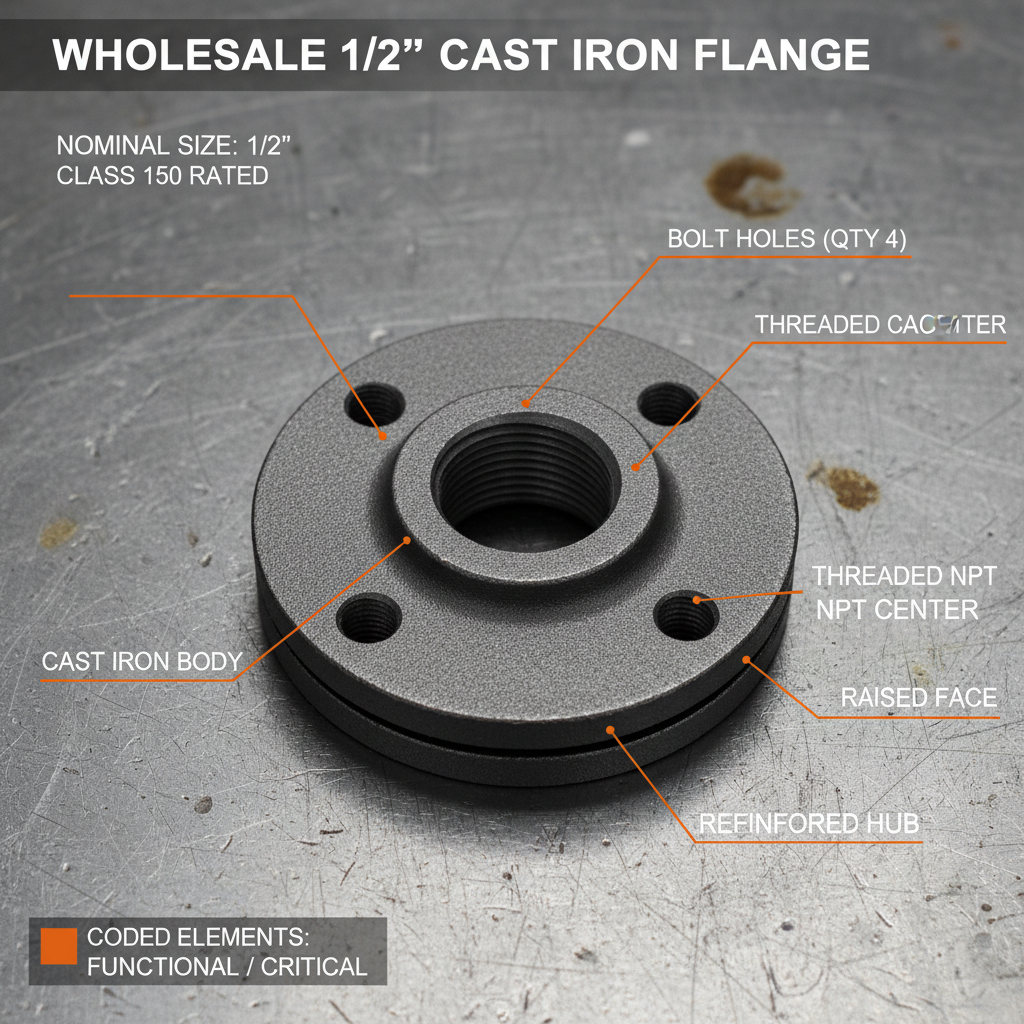
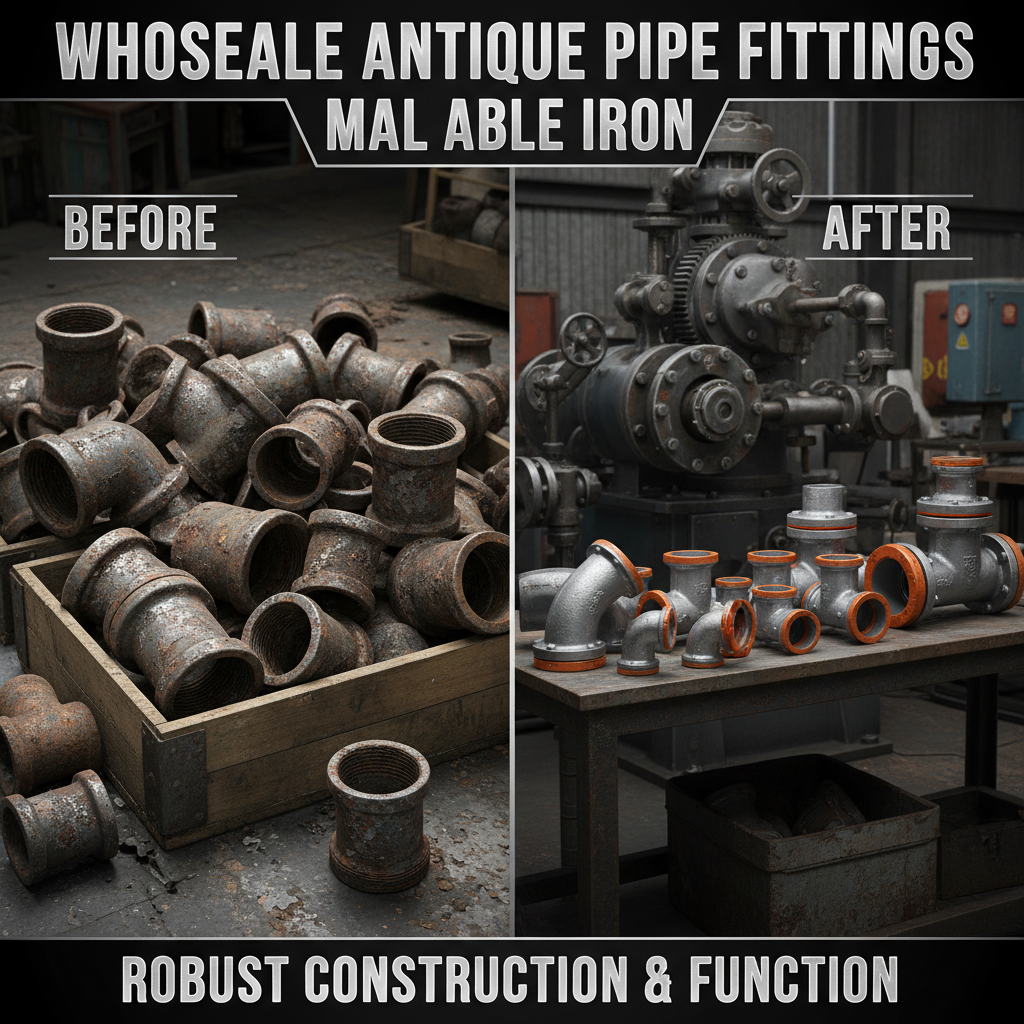
Understanding the fluctuations in wholesale black iron pipe prices is critical for contractors, interior designers, and industrial procurement officers who rely on the structural integrity and aesthetic appeal of malleable iron. These materials serve as the backbone for everything from heavy-duty gas lines to trendy industrial-style furniture, making price transparency a vital component of project budgeting.
Across the global supply chain, the cost of these components is influenced by raw material availability, energy costs in smelting, and international trade tariffs. By analyzing the current market trends of wholesale black iron pipe prices, businesses can optimize their purchasing cycles, ensuring they secure high-quality pipe nipples, floor flanges, and tees without overextending their capital.
Ultimately, securing competitive wholesale black iron pipe prices allows for greater scalability in construction and design. Whether you are equipping a large-scale industrial facility or launching a line of furniture pipe products, mastering the economics of iron procurement ensures a balance between structural reliability and financial viability.
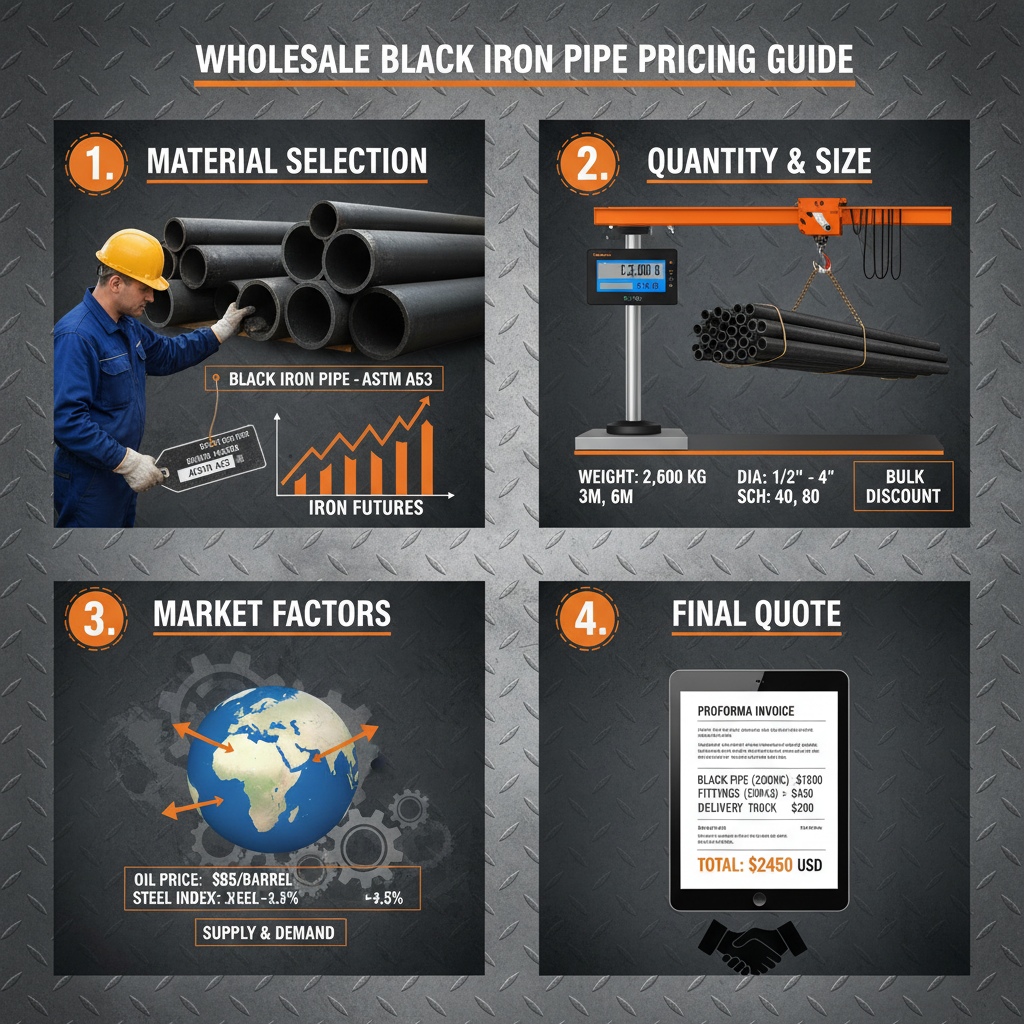
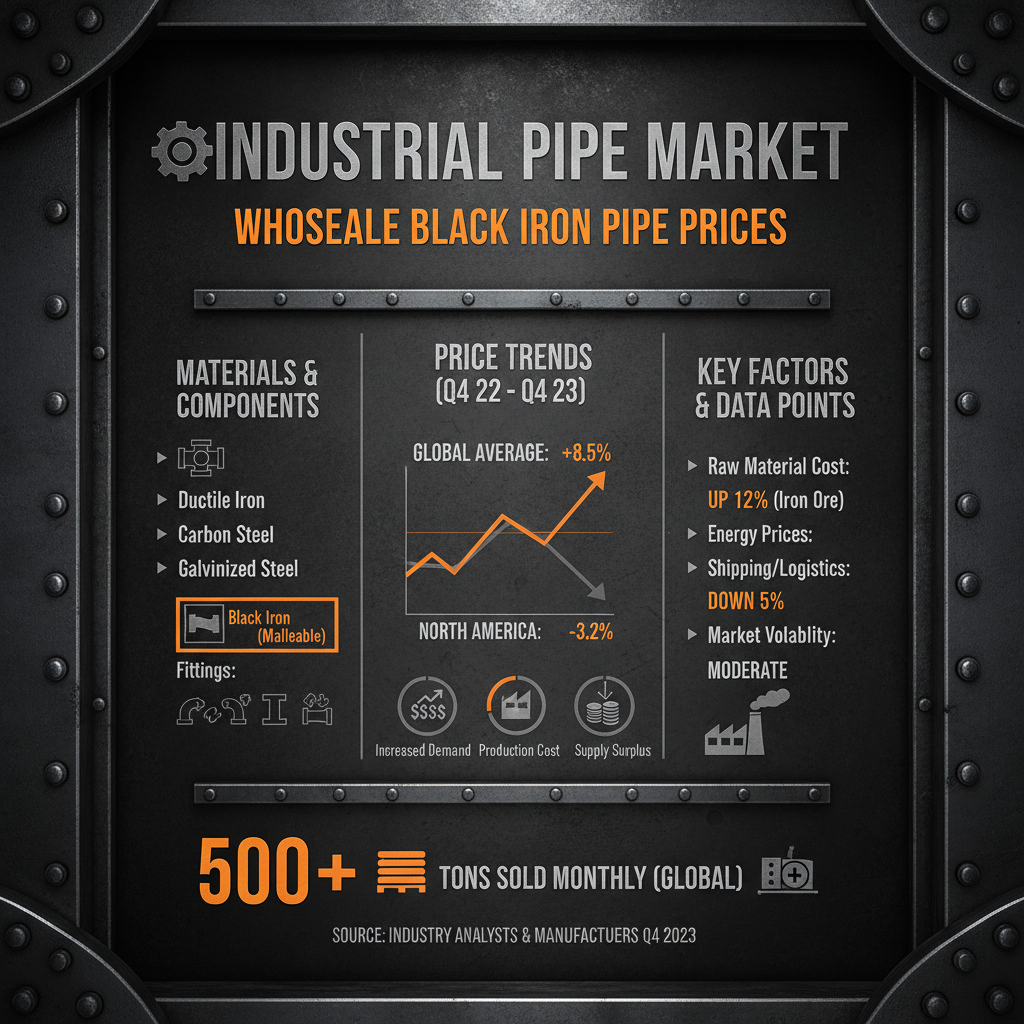
The volatility of wholesale black iron pipe prices is deeply intertwined with the global commodities market. According to industrial benchmarks and ISO standards, the cost of iron ore and the energy required for the blast furnace process are the primary drivers. When energy costs rise in major manufacturing hubs, the ripple effect is felt immediately in the wholesale pricing of black malleable iron fittings and pipes.
Furthermore, geopolitical shifts and trade policies significantly impact the import-export dynamics of metal products. Tariffs on raw steel and iron can lead to sudden spikes in wholesale black iron pipe prices, forcing procurement managers to seek alternative sourcing strategies or enter into long-term fixed-price contracts to hedge against market instability.
Spikes are usually caused by a combination of rising raw iron ore costs and energy price surges in the smelting process. Additionally, unexpected trade tariffs or supply chain disruptions in major exporting countries can lead to sudden price increases for bulk pipe and fittings.
If corrosion resistance isn't a primary requirement (e.g., for indoor furniture or gas lines), black iron is significantly more cost-effective. Wholesale black iron pipe prices are generally lower than galvanized alternatives because they skip the expensive zinc coating process.
The best way to stabilize wholesale black iron pipe prices is through forward-buying contracts or long-term agreements with a manufacturer. This protects your budget from market volatility and ensures a consistent supply of critical components like floor flanges and nipples.
Yes, substantially. Wholesale pricing is tiered; purchasing in pallet quantities or full container loads significantly reduces the per-unit cost of items like 3/4” floor flanges compared to purchasing smaller batches through a local distributor.
Absolutely. Premium pipes often have tighter tolerances in threading and higher purity in the iron alloy, reducing the risk of leaks or structural failure. While low-cost options are tempting, the "hidden cost" of failure often outweighs the initial savings.
Look for ISO certifications and requests for material test reports (MTRs). A reputable supplier will provide documentation proving the chemical composition and physical properties of the iron, ensuring it meets industry safety standards.
Navigating the complexities of wholesale black iron pipe prices requires a strategic approach that balances immediate cost savings with long-term structural value. By understanding the drivers—from raw material volatility to the economies of scale provided by bulk purchasing—businesses can ensure they are sourcing the most reliable malleable iron fittings without compromising their bottom line.
Looking forward, the shift toward digital procurement and green manufacturing will redefine how we value industrial piping. We encourage procurement managers and designers to stay informed on market trends and prioritize suppliers who offer both price transparency and a commitment to sustainability. For high-quality industrial components at competitive rates, visit our website: www.hhomedecor.com

 Afrikaans
 Albanian
 Amharic
 Arabic
 Armenian
 Azerbaijani
 Basque
 Belarusian
 Bengali
 Bosnian
 Bulgarian
 Catalan
 Cebuano
 Corsican
 Croatian
 Czech
Czech
 Danish
 Dutch
Dutch
 Esperanto
 Estonian
 Finnish
 French
 Frisian
 Galician
 Georgian
 German
 Greek
Greek
 Gujarati
 Haitian Creole
 Hausa
Hausa
 Hawaiian
 Hebrew
 Hindi
Hindi
 Miao
Miao
 Hungarian
 Icelandic
 Igbo
Igbo
 Indonesian
 Irish
Irish
 Italian
 Japanese
 Javanese
 Kannada
 Kazakh
 Khmer
Khmer
 Rwandese
 Korean
 Kurdish
 Kyrgyz
 Lao
Lao
 Latin
Latin
 Latvian
 Lithuanian
 Luxembourgish
 Macedonian
 Malgashi
 Malay
Malay
 Malayalam
 Maltese
 Maori
Maori
 Marathi
 Mongolian
 Myanmar
 Nepali
 Norwegian
 Norwegian
 Occitan
 Pashto
 Persian
 Polish
 Portuguese
 Punjabi
 Romanian
 Russian
 Samoan
 Scottish Gaelic
 Serbian
 Sesotho
 Shona
Shona
 Sindhi
 Sinhala
 Slovak
 Slovenian
 Somali
 Spanish
 Sundanese
 Swahili
 Swedish
 Tagalog
 Tajik
Tajik
 Tamil
Tamil
 Tatar
Tatar
 Telugu
 Thai
Thai
 Turkish
 Turkmen
 Ukrainian
 Urdu
Urdu
 Uighur
 Uzbek
Uzbek
 Vietnamese
 Welsh
Welsh
 Bantu
Bantu
 Yiddish
 Yoruba
 Zulu
Zulu
 English