

-
 Mail Usadmin1@hanghongtrade.com
 -
 Call Us+8613313271100
 -
Mar . 28, 2026 02:15 Back to list
China Cast Pipe Fitting Nipple Guide For Industrial Plumbing Systems
China Cast Pipe Fitting Nipple: A Comprehensive Guide
When sourcing plumbing components for industrial or commercial applications, understanding the nuances of different fittings is crucial. China cast pipe fitting nipples are widely utilized for their robust construction and versatility. This article delves into the characteristics, applications, materials, and considerations when purchasing these essential fittings. We aim to provide a thorough overview, helping you make informed decisions for your projects. Choosing the right nipple ensures a secure and long-lasting plumbing system.
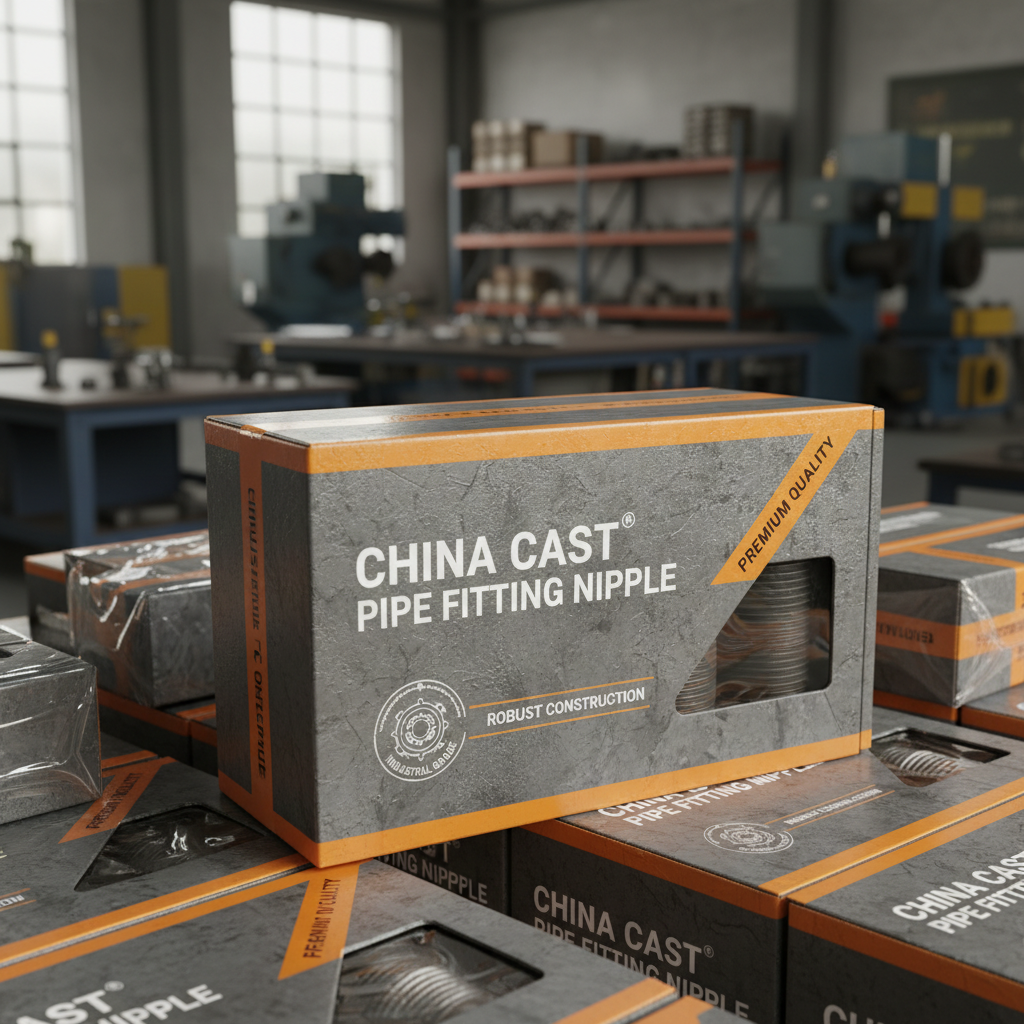
What is a China Cast Pipe Fitting Nipple?
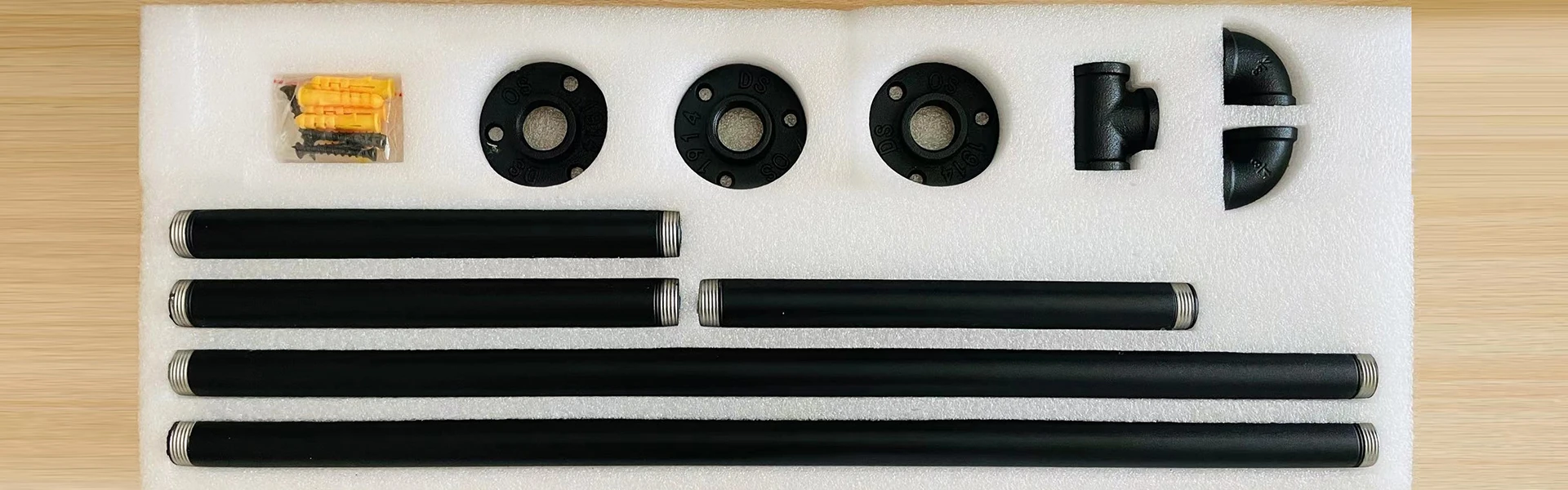
A pipe nipple is a short piece of pipe, typically threaded at both ends, used to connect other fittings. China cast pipe fitting nipples are specifically manufactured in China, often utilizing casting processes to create durable and cost-effective solutions. These nipples are available in a variety of materials, sizes, and thread types to suit diverse plumbing requirements. The 'cast' aspect refers to how the metal is formed, often resulting in a thicker wall compared to seamless nipples. This makes them suitable for applications where strength is paramount. They're a staple in industries like oil and gas, water treatment, and construction.
Key Highlights: Manufactured in China utilizing casting processes. Available in various materials and sizes. Provide a robust and cost-effective plumbing solution.
Common Materials Used in China Cast Pipe Fitting Nipples
The material of a pipe nipple significantly impacts its performance and suitability for a given application. Common materials used in China cast pipe fitting nipples include:
- Carbon Steel: Offers high strength and durability at a relatively low cost. Suitable for general-purpose applications.
- Stainless Steel: Provides excellent corrosion resistance, making it ideal for corrosive environments. Often used in food processing, chemical plants, and marine applications.
- Galvanized Steel: Carbon steel coated with zinc to enhance corrosion resistance. A cost-effective option for outdoor applications.
- Cast Iron: Historically used, still suitable for low-pressure, non-corrosive systems.
Material Comparison:
• Strength: Stainless Steel > Carbon Steel > Galvanized Steel > Cast Iron
• Corrosion Resistance: Stainless Steel > Galvanized Steel > Carbon Steel > Cast Iron
• Cost: Cast Iron
China Cast Pipe Fitting Nipples: Thread Types and Sizes
Selecting the correct thread type and size is critical for a leak-proof connection. Common thread types include:
- NPT (National Pipe Thread): Tapered threads commonly used in North America.
- BSP (British Standard Pipe): Parallel threads often found in Europe and Asia.
- UNF (Unified National Fine): Fine-pitched threads for tighter sealing.
Nipple sizes are specified by nominal pipe size (NPS), ranging from 1/8 inch to 4 inches or larger. The length of the nipple is also an important consideration. Hhomedecor offers a wide selection of these nipples to meet various requirements.
Factors to Consider When Purchasing from China
When sourcing China cast pipe fitting nipples, consider the following:
- Quality Control: Verify the manufacturer's quality control processes and certifications (e.g., ISO 9001).
- Material Certifications: Request material test reports to ensure compliance with industry standards.
- Lead Times: Factor in potential lead times for production and shipping.
- Communication: Establish clear communication channels with the supplier.
- Pricing: Compare quotes from multiple suppliers to ensure competitive pricing.
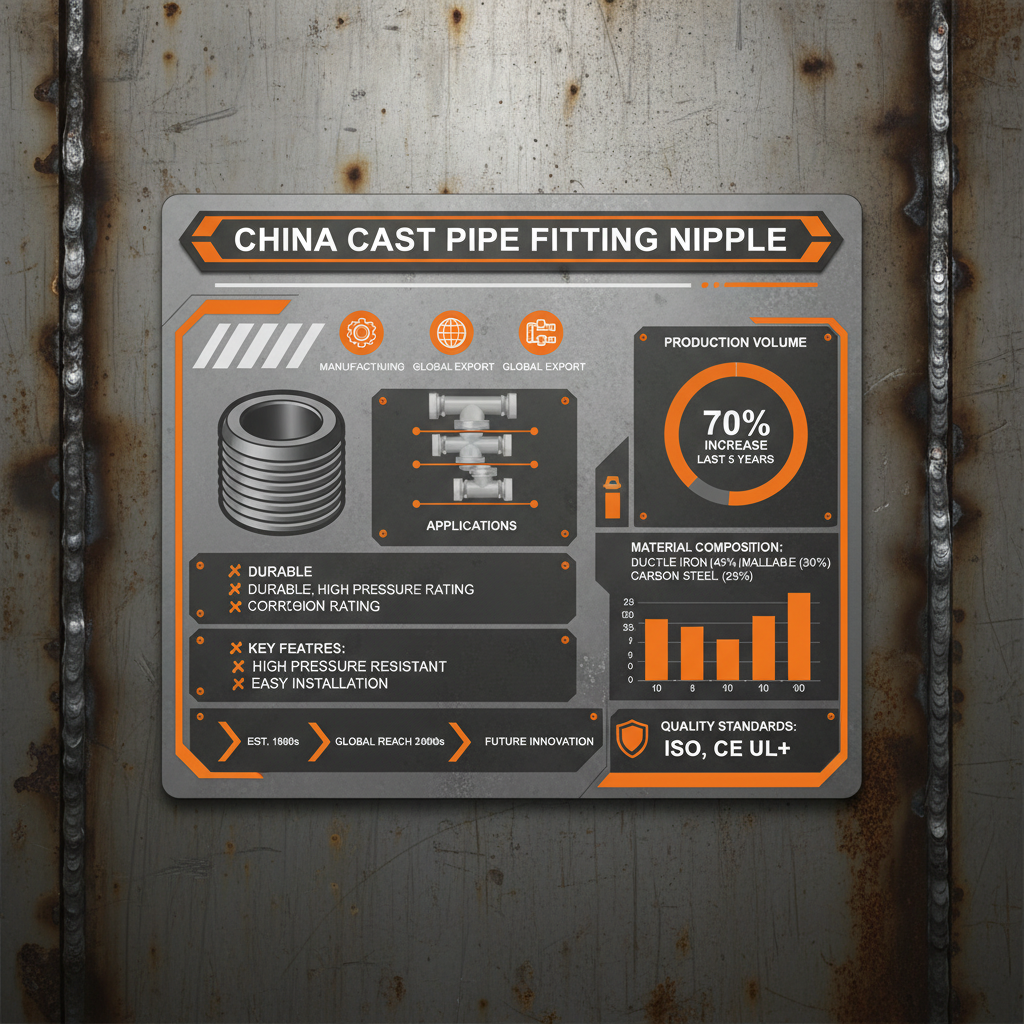
Conclusion: Choosing the Right China Cast Pipe Fitting Nipple
Selecting the appropriate China cast pipe fitting nipple requires careful consideration of material, size, thread type, and supplier reliability. By understanding these factors and partnering with a reputable supplier like Hhomedecor, you can ensure a durable, leak-proof, and cost-effective plumbing system for your specific application.
Frequently Asked Questions (FAQs)
What are the advantages of using cast pipe fittings over other types?
Cast pipe fittings, like nipples, often offer greater wall thickness compared to seamless or welded fittings. This increased thickness translates to enhanced strength and durability, making them suitable for high-pressure applications or environments prone to mechanical stress. They’re also generally more cost-effective for larger quantities due to the manufacturing process. However, they may be heavier than seamless fittings. The casting process allows for intricate designs and customized shapes, which can be beneficial for specific plumbing configurations. Hhomedecor provides a diverse range of cast fittings to meet varying needs.
How do I determine the correct nipple length for my application?
Determining the correct nipple length involves measuring the gap between the fittings you need to connect, accounting for the depth of engagement of the threads. It's generally recommended to allow for full thread engagement to ensure a secure connection. If space is limited, you might consider using shorter nipples, but never compromise on the integrity of the thread connection. If you're unsure, it's always better to err on the side of slightly longer and trim if necessary. Our team at Hhomedecor can assist you in calculating the appropriate length based on your specific requirements.
What are the common causes of leaks in pipe nipple connections?
Common causes of leaks include improper thread sealing, over-tightening or under-tightening of the connection, damaged threads, or incompatible thread types. Always use a suitable thread sealant (e.g., Teflon tape or pipe dope) to create a watertight seal. Avoid excessive force when tightening, as this can damage the threads. Ensure that the thread types (NPT, BSP, etc.) match between the nipple and the fittings being connected. Regularly inspect connections for signs of corrosion or wear. Hhomedecor provides high-quality nipples and sealing solutions to minimize the risk of leaks.
How should I store pipe nipples to prevent corrosion?
Proper storage is crucial to prevent corrosion. Store pipe nipples in a dry, indoor environment, protected from moisture and direct sunlight. If storing outdoors, cover them with a waterproof tarp. For long-term storage, consider applying a protective coating of oil or grease to the threads. Avoid stacking heavy objects on top of the nipples, as this could damage the threads. Regularly inspect stored nipples for any signs of corrosion and address them promptly.
-
High Quality China Wall Flange Guide for Industrial Piping
NewsApr.16,2026
-
Guide to Choosing the Best Industrial China Pipe Key Clamp
NewsApr.09,2026
-
China Cast Iron Pipe 1'' Floor Flange Global Trade and Sourcing Guide
NewsApr.07,2026
-
Comprehensive Guide to China Black Iron Pipe Applications and Manufacturing
NewsApr.04,2026
-
Comprehensive Guide to China Metal Flanges Types and Reliable Sourcing
NewsMar.31,2026
-
China Cast Pipe Fitting Nipple Guide For Industrial Plumbing Systems
NewsMar.28,2026



 Afrikaans
 Albanian
 Amharic
 Arabic
 Armenian
 Azerbaijani
 Basque
 Belarusian
 Bengali
 Bosnian
 Bulgarian
 Catalan
 Cebuano
 Corsican
 Croatian
 Czech
Czech
 Danish
 Dutch
Dutch
 Esperanto
 Estonian
 Finnish
 French
 Frisian
 Galician
 Georgian
 German
 Greek
Greek
 Gujarati
 Haitian Creole
 Hausa
Hausa
 Hawaiian
 Hebrew
 Hindi
Hindi
 Miao
Miao
 Hungarian
 Icelandic
 Igbo
Igbo
 Indonesian
 Irish
Irish
 Italian
 Japanese
 Javanese
 Kannada
 Kazakh
 Khmer
Khmer
 Rwandese
 Korean
 Kurdish
 Kyrgyz
 Lao
Lao
 Latin
Latin
 Latvian
 Lithuanian
 Luxembourgish
 Macedonian
 Malgashi
 Malay
Malay
 Malayalam
 Maltese
 Maori
Maori
 Marathi
 Mongolian
 Myanmar
 Nepali
 Norwegian
 Norwegian
 Occitan
 Pashto
 Persian
 Polish
 Portuguese
 Punjabi
 Romanian
 Russian
 Samoan
 Scottish Gaelic
 Serbian
 Sesotho
 Shona
Shona
 Sindhi
 Sinhala
 Slovak
 Slovenian
 Somali
 Spanish
 Sundanese
 Swahili
 Swedish
 Tagalog
 Tajik
Tajik
 Tamil
Tamil
 Tatar
Tatar
 Telugu
 Thai
Thai
 Turkish
 Turkmen
 Ukrainian
 Urdu
Urdu
 Uighur
 Uzbek
Uzbek
 Vietnamese
 Welsh
Welsh
 Bantu
Bantu
 Yiddish
 Yoruba
 Zulu
Zulu
 English