
-
 Mail Usadmin1@hanghongtrade.com
 -
 Call Us+8613313271100
 -
Look, these wholesale cast iron table things… been seeing a lot of changes lately. Everyone's chasing “industrial chic,” right? But honestly, it's more than just slapping some rust-colored paint on everything. It's about getting the feel right, the weight of it. Used to be, cast iron was just…cast iron. Now, people want specific textures, specific imperfections. It’s a headache, honestly.
And the demand is crazy. Everyone wants a wholesale cast iron table. Restaurants, cafes, even people doing up their garages. It’s a good problem to have, I guess, but it means quality control is paramount. Because you get one bad batch, one table with a hairline fracture, and suddenly you’re the problem.
To be honest, a lot of designers think they know cast iron, but they don’t. They’ll spec something that looks good on paper, but is a nightmare to actually manufacture. Have you noticed how many drawings call for razor-thin legs? Absolutely disastrous. It looks elegant, but it will bend like a noodle under any real weight. Forget it.
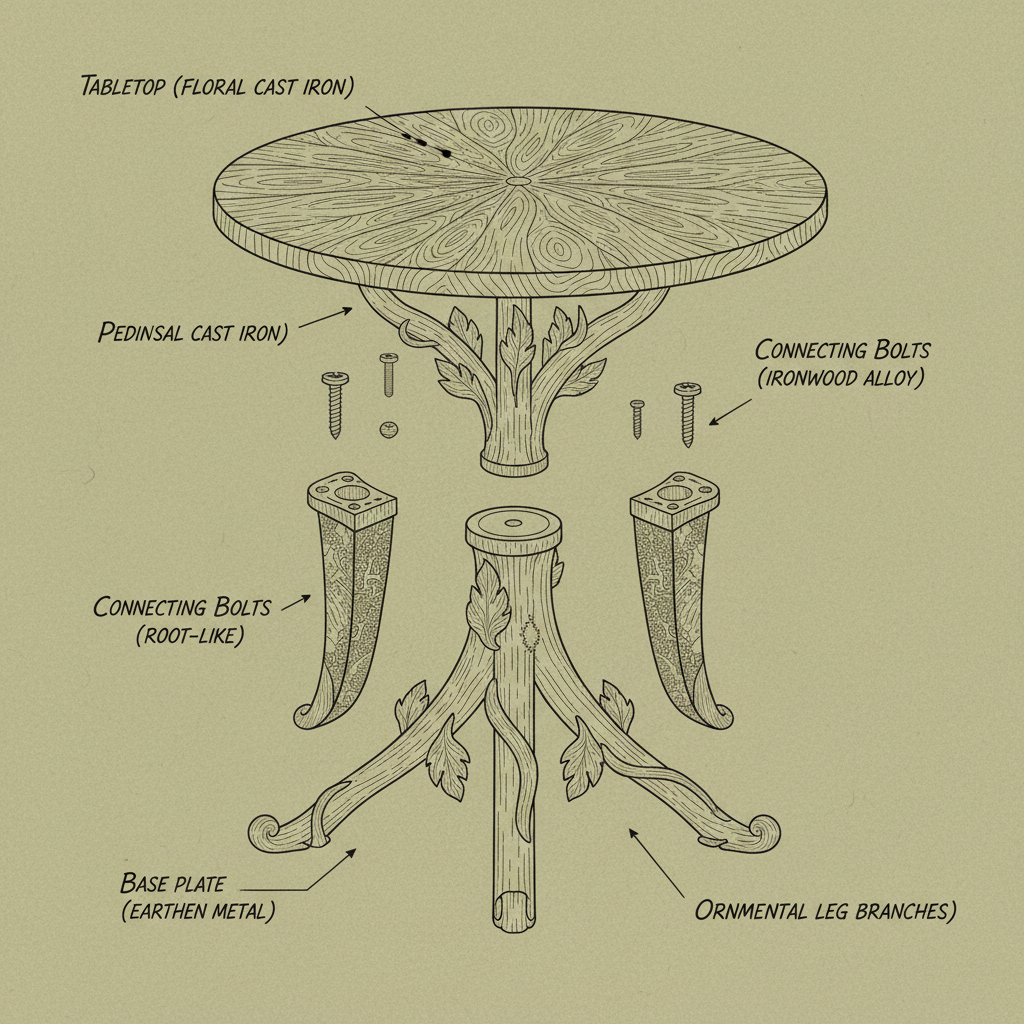
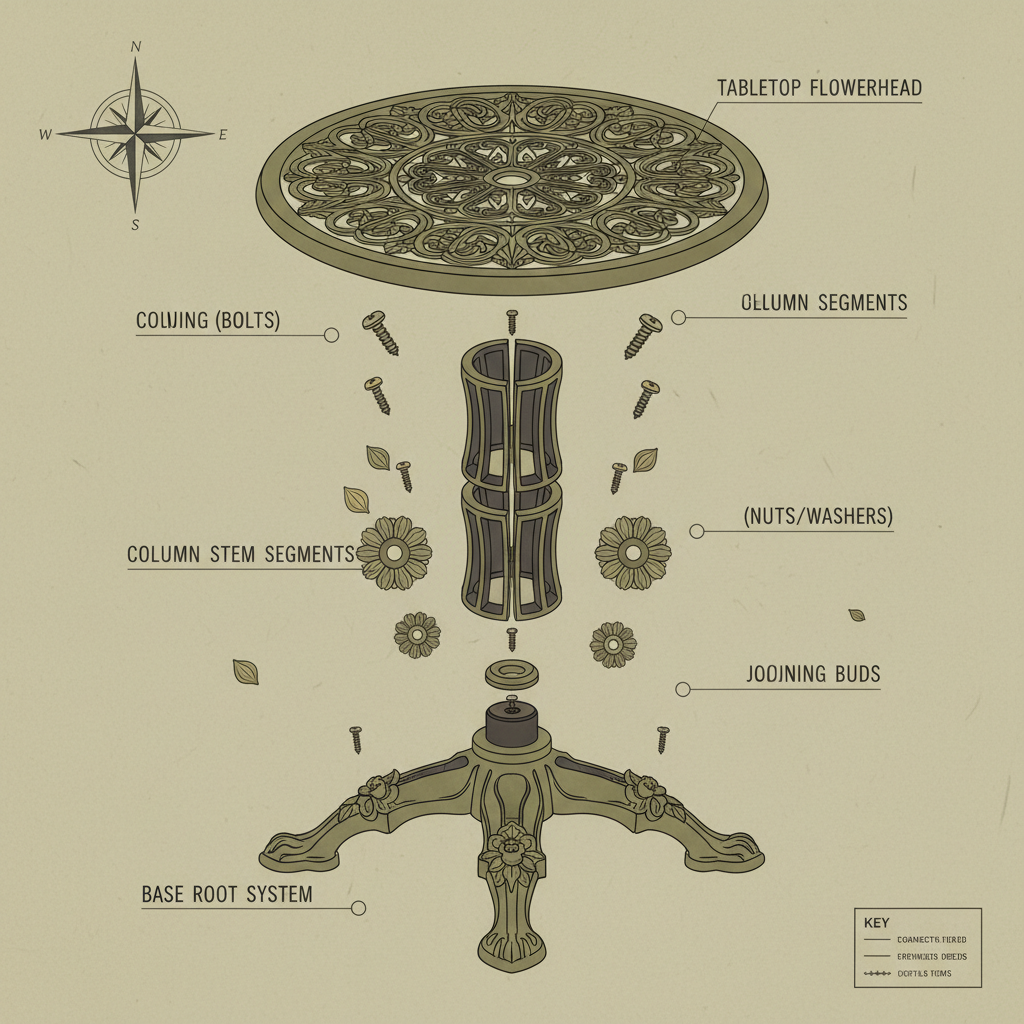
Strangely enough, we’re seeing a lot more requests for antique reproduction finishes. Not just distressed, but genuinely trying to replicate the look of a table that's been sitting in a barn for a hundred years. Which… involves a lot of controlled rusting, believe it or not. You wouldn’t think it's a high-tech process, but it is.
And the legs! Oh, the legs. Everyone wants hairpin legs now. Thin, delicate things. I tell you what, getting those welded securely onto a heavy cast iron top is a test of any welder’s skill. You need a real craftsman for that, not some kid fresh out of trade school.
Lead times really depend on the complexity of the design and the current workload at the foundry. Usually, for standard designs, we're looking at around 6-8 weeks. But if you're wanting something completely custom, with intricate details, it could easily be 10-12 weeks, maybe even longer. It’s always best to get a firm quote and schedule upfront. We've been seeing longer waits recently with shipping bottlenecks, too, so factor that in. Honestly, planning ahead is key.
It's tricky. Foundries generally prefer larger orders because of the setup costs involved. But we do have some partners who are willing to work with smaller quantities, though the price per unit will be higher. We can explore options, and depending on what's already in production, we might be able to bundle your order with others to get the cost down. We need to check first, though. No guarantees.
The weight capacity really depends on the design – leg style, tabletop thickness, etc. But generally, a well-designed cast iron table can easily support several hundred pounds. We use finite element analysis (FEA) to simulate stress and ensure stability. The wider the base and the more robust the leg design, the higher the weight capacity. We also recommend a level floor for optimal stability. No one wants a wobbly table, right?
Powder coating is the most popular – it’s durable, comes in a wide range of colors, and is relatively affordable. We also offer enamel finishes, which give a glossy, classic look, but they’re more prone to chipping. Waxed finishes provide a more natural feel, but require regular maintenance. And, of course, we can do custom finishes too, but that’ll add to the cost. Each finish has its trade-offs; it depends on the application and desired aesthetic.
They can be used outdoors, but it's crucial to take proper precautions. We use a two-coat rust-inhibiting primer, and we recommend applying a protective wax coating regularly. Powder coating also provides some level of rust protection, but it can still be susceptible to corrosion in harsh environments. Ideally, you’d want to cover or store the table during prolonged exposure to rain or snow. You can’t just leave it out there and expect it to last forever.
Absolutely. We work with a team of designers and engineers who can help you develop a custom design from scratch. We'll need detailed drawings and specifications, and we'll provide a quote based on the complexity of the design. We've done everything from incorporating logos and patterns into the tabletop to modifying the leg styles and adding built-in features. Be warned though – custom designs take longer and cost more, but the results can be spectacular.
So, yeah, wholesale cast iron tables. They're more than just a trend; they're a solid, durable, and versatile option for a wide range of applications. From restaurants and cafes to homes and workshops, these tables offer a timeless aesthetic and unparalleled longevity. But remember, getting a quality product requires attention to detail, from material selection to finishing to rigorous testing.
Ultimately, whether this thing works or not, the worker will know the moment he tightens the screw. It's that feeling of solidity, of knowing it's built to last. And that's what really matters. If you’re serious about cast iron tables, reach out. We’re at www.hhomedecor.com.

 Afrikaans
 Albanian
 Amharic
 Arabic
 Armenian
 Azerbaijani
 Basque
 Belarusian
 Bengali
 Bosnian
 Bulgarian
 Catalan
 Cebuano
 Corsican
 Croatian
 Czech
Czech
 Danish
 Dutch
Dutch
 Esperanto
 Estonian
 Finnish
 French
 Frisian
 Galician
 Georgian
 German
 Greek
Greek
 Gujarati
 Haitian Creole
 Hausa
Hausa
 Hawaiian
 Hebrew
 Hindi
Hindi
 Miao
Miao
 Hungarian
 Icelandic
 Igbo
Igbo
 Indonesian
 Irish
Irish
 Italian
 Japanese
 Javanese
 Kannada
 Kazakh
 Khmer
Khmer
 Rwandese
 Korean
 Kurdish
 Kyrgyz
 Lao
Lao
 Latin
Latin
 Latvian
 Lithuanian
 Luxembourgish
 Macedonian
 Malgashi
 Malay
Malay
 Malayalam
 Maltese
 Maori
Maori
 Marathi
 Mongolian
 Myanmar
 Nepali
 Norwegian
 Norwegian
 Occitan
 Pashto
 Persian
 Polish
 Portuguese
 Punjabi
 Romanian
 Russian
 Samoan
 Scottish Gaelic
 Serbian
 Sesotho
 Shona
Shona
 Sindhi
 Sinhala
 Slovak
 Slovenian
 Somali
 Spanish
 Sundanese
 Swahili
 Swedish
 Tagalog
 Tajik
Tajik
 Tamil
Tamil
 Tatar
Tatar
 Telugu
 Thai
Thai
 Turkish
 Turkmen
 Ukrainian
 Urdu
Urdu
 Uighur
 Uzbek
Uzbek
 Vietnamese
 Welsh
Welsh
 Bantu
Bantu
 Yiddish
 Yoruba
 Zulu
Zulu
 English