

-
 Mail Usadmin1@hanghongtrade.com
 -
 Call Us+8613313271100
 -
To be honest, this wholesale used wrought iron furniture business… it’s seen a real shift lately. Everyone’s talking about sustainability, right? But it’s more than just buzzwords. Folks are actively looking for ways to reuse, repurpose, and avoid adding to the landfill. Used wrought iron? That ticks a lot of boxes. I've been seeing a surge in demand, especially for bigger projects – outdoor furniture for hotels, landscaping for commercial buildings…you name it. It’s not just about cost anymore, though that’s still a huge factor, of course.
Have you noticed how quickly trends change? Just a few years ago, everyone wanted sleek, modern stuff. Now, there’s this real pull towards things that have a story, a patina, a sense of history. Wrought iron, especially if it’s been around for a while, has that in spades. It’s funny, isn’t it? What was “old” is now “vintage”. But the demand’s forcing everyone to look at quality control again, which is good.
It's also pushing innovation. People aren't just slapping a coat of paint on old furniture and calling it a day. They're redesigning, combining pieces, creating entirely new looks. Which, frankly, is good for business. Anyway, I think we’re on the cusp of something big with this.
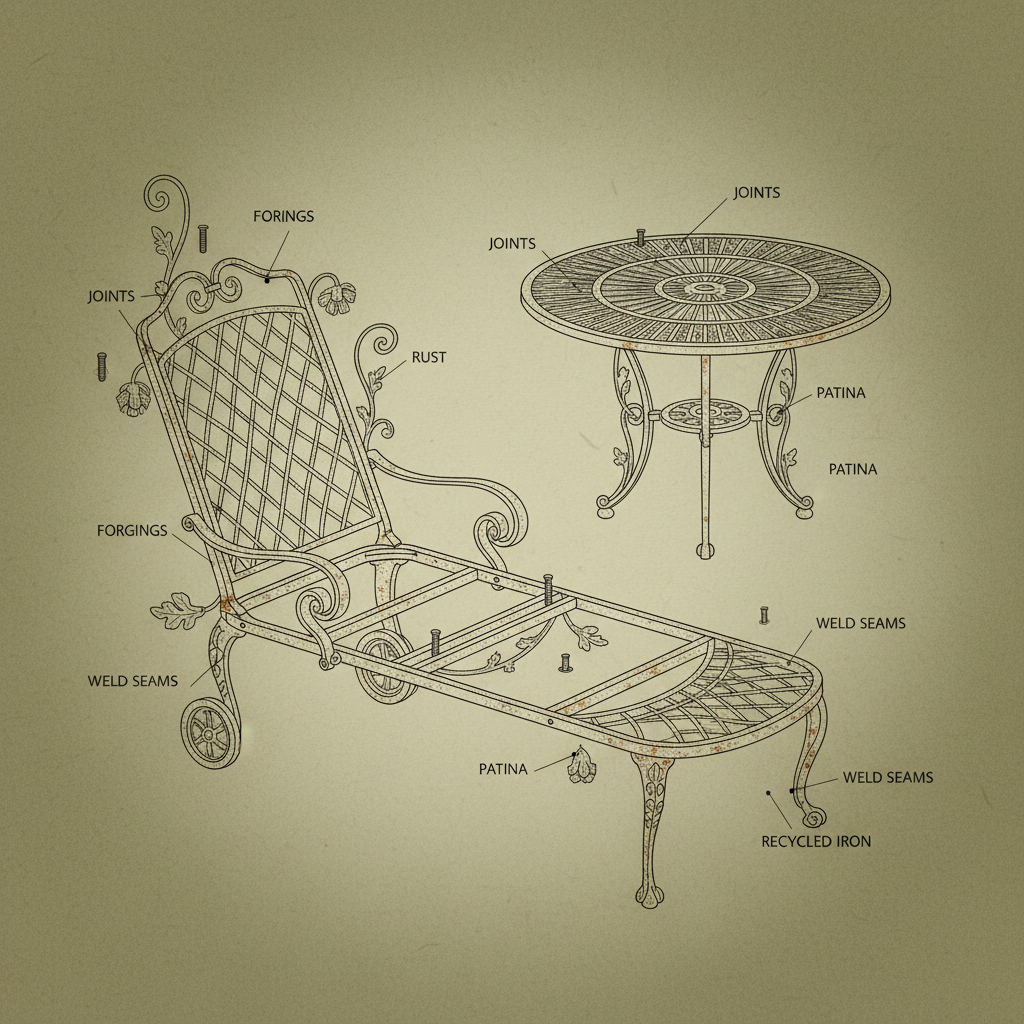
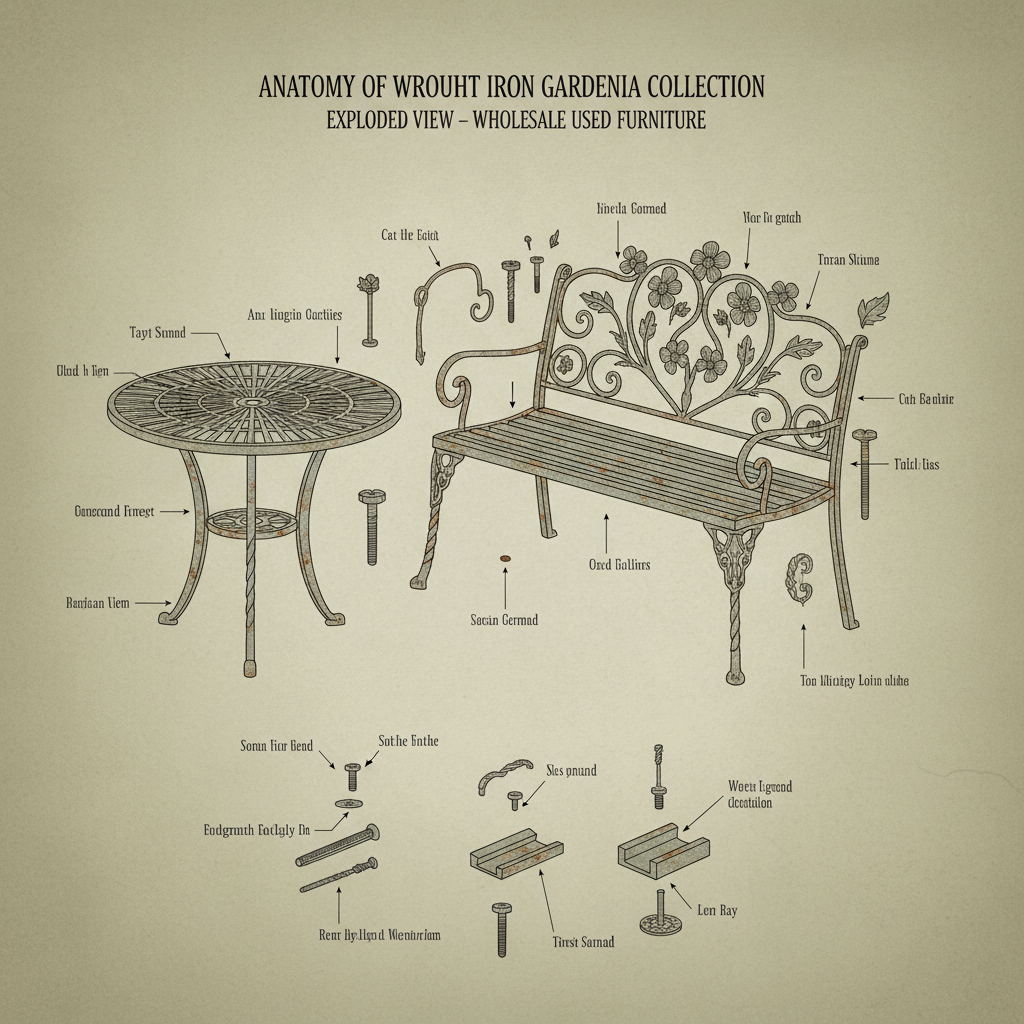
I encountered this at a factory in Foshan last time, they were practically drowning in orders. Turns out a big hotel chain in Bali decided to go with reclaimed wrought iron for their outdoor areas. They wanted a 'rustic chic' vibe, apparently. Anyway, the demand isn’t just coming from the hospitality sector. Landscaping companies are using it for gates, fences, and decorative elements. The biggest driver, though? Cost. New wrought iron is expensive, especially with the price of steel fluctuating like it is.
Strangely, a lot of folks don’t realize how much good stuff is actually out there being discarded. Old park benches, gates from estates, even parts of demolished buildings… it all adds up. The challenge is sourcing it consistently and ensuring the quality is up to par. But the potential is huge.
If properly maintained – meaning regularly cleaned and re-coated – you're looking at decades, easily. We've seen pieces over a century old still in good condition. It really depends on the environment and how well it's looked after. A coastal location will significantly reduce that lifespan without diligent maintenance, whereas an inland, dry climate can extend it considerably. Rust is the enemy, plain and simple.
It varies wildly, but generally, you can save anywhere from 30% to 70% compared to buying new. The price depends on the age, condition, and complexity of the piece. Highly ornate, antique pieces will command a higher price than simpler, more modern designs. Sourcing costs and restoration work also factor in. It's a good way to get quality ironwork without breaking the bank.
Most pieces need at least a thorough cleaning to remove rust and dirt. Often, they’ll need to be re-coated to prevent further corrosion. Weld repairs are common, especially on older pieces. Sometimes, you might need to replace missing parts or repair damaged ornamentation. It’s a bit of work, but it’s usually worth it.
Absolutely. Reusing existing materials reduces the demand for new iron ore, which minimizes mining and manufacturing impacts. It also keeps waste out of landfills. It’s a much more sustainable option than buying new, especially if you factor in the energy used to produce new steel. It’s a win-win.
Consistency is the biggest challenge. Finding a steady supply of high-quality pieces can be difficult. You need to have good relationships with demolition companies, estate sale organizers, and scrap metal dealers. Quality control is also crucial. You need to be able to identify pieces that are worth restoring and avoid those that are too damaged or corroded.
Most suppliers will offer some level of customization. You can often request modifications to existing designs, such as changing the dimensions or adding decorative elements. Creating entirely new designs from scratch is usually possible, but it will be more expensive and time-consuming. It depends on the supplier's capabilities and the complexity of the design.
Ultimately, wholesale used wrought iron furniture offers a compelling combination of cost savings, sustainability, and aesthetic appeal. It’s not without its challenges – sourcing, restoration, and maintenance all require effort – but the rewards can be significant. The market is shifting, and consumers are increasingly valuing quality, durability, and unique character.
And, frankly, it's good to see things built to last, instead of being designed for obsolescence. Whether this thing works or not, the worker will know the moment he tightens the screw. That's all that matters.

 Afrikaans
 Albanian
 Amharic
 Arabic
 Armenian
 Azerbaijani
 Basque
 Belarusian
 Bengali
 Bosnian
 Bulgarian
 Catalan
 Cebuano
 Corsican
 Croatian
 Czech
Czech
 Danish
 Dutch
Dutch
 Esperanto
 Estonian
 Finnish
 French
 Frisian
 Galician
 Georgian
 German
 Greek
Greek
 Gujarati
 Haitian Creole
 Hausa
Hausa
 Hawaiian
 Hebrew
 Hindi
Hindi
 Miao
Miao
 Hungarian
 Icelandic
 Igbo
Igbo
 Indonesian
 Irish
Irish
 Italian
 Japanese
 Javanese
 Kannada
 Kazakh
 Khmer
Khmer
 Rwandese
 Korean
 Kurdish
 Kyrgyz
 Lao
Lao
 Latin
Latin
 Latvian
 Lithuanian
 Luxembourgish
 Macedonian
 Malgashi
 Malay
Malay
 Malayalam
 Maltese
 Maori
Maori
 Marathi
 Mongolian
 Myanmar
 Nepali
 Norwegian
 Norwegian
 Occitan
 Pashto
 Persian
 Polish
 Portuguese
 Punjabi
 Romanian
 Russian
 Samoan
 Scottish Gaelic
 Serbian
 Sesotho
 Shona
Shona
 Sindhi
 Sinhala
 Slovak
 Slovenian
 Somali
 Spanish
 Sundanese
 Swahili
 Swedish
 Tagalog
 Tajik
Tajik
 Tamil
Tamil
 Tatar
Tatar
 Telugu
 Thai
Thai
 Turkish
 Turkmen
 Ukrainian
 Urdu
Urdu
 Uighur
 Uzbek
Uzbek
 Vietnamese
 Welsh
Welsh
 Bantu
Bantu
 Yiddish
 Yoruba
 Zulu
Zulu
 English