

-
 Mail Usadmin1@hanghongtrade.com
 -
 Call Us+8613313271100
 -
To be honest, the whole cast iron furniture fittings scene has been buzzing about powder coating lately. Everyone's chasing that durable, colorful finish. It's not new, mind you, but the demand… well, it’s gone through the roof. Seems like everyone wants their furniture to look custom, you know? I was just at a factory in Ningbo last month, and they were scrambling to keep up with the orders. They’d switched to an automated line, but even then, the lead times were still stretching out.
Have you noticed how many folks are trying to go super-thin with their ironwork? Looks nice on paper, but it creates a whole mess of problems with strength. I encountered that at a place in Foshan—beautiful designs, but everything felt… flimsy. You gotta remember, this stuff gets used. It’s not just for show. And honestly, a lot of designers don’t spend nearly enough time on site, seeing how things actually get handled. It’s easy to draw a pretty picture, a lot harder to make it last.
Anyway, I think people underestimate how much the raw material matters. We're primarily working with gray cast iron, of course. Feels… substantial, you know? Heavy. It has a slight metallic smell when you’re machining it – not unpleasant, just…industrial. We get it in pig iron form and melt it down ourselves mostly, or source it from reliable foundries in Hebei. Ductile iron is becoming popular, too—it’s tougher, less brittle. But it's also more expensive and requires different casting techniques. It's all about finding that balance.
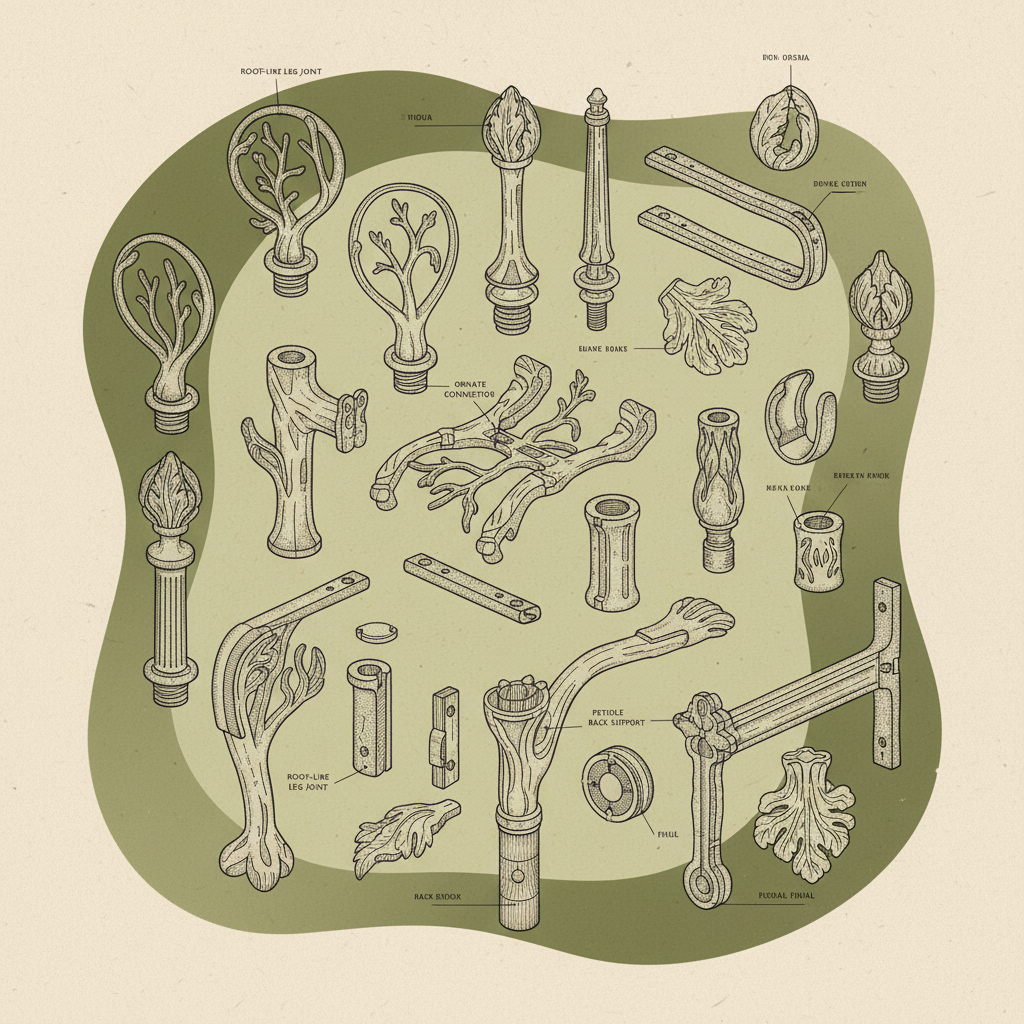
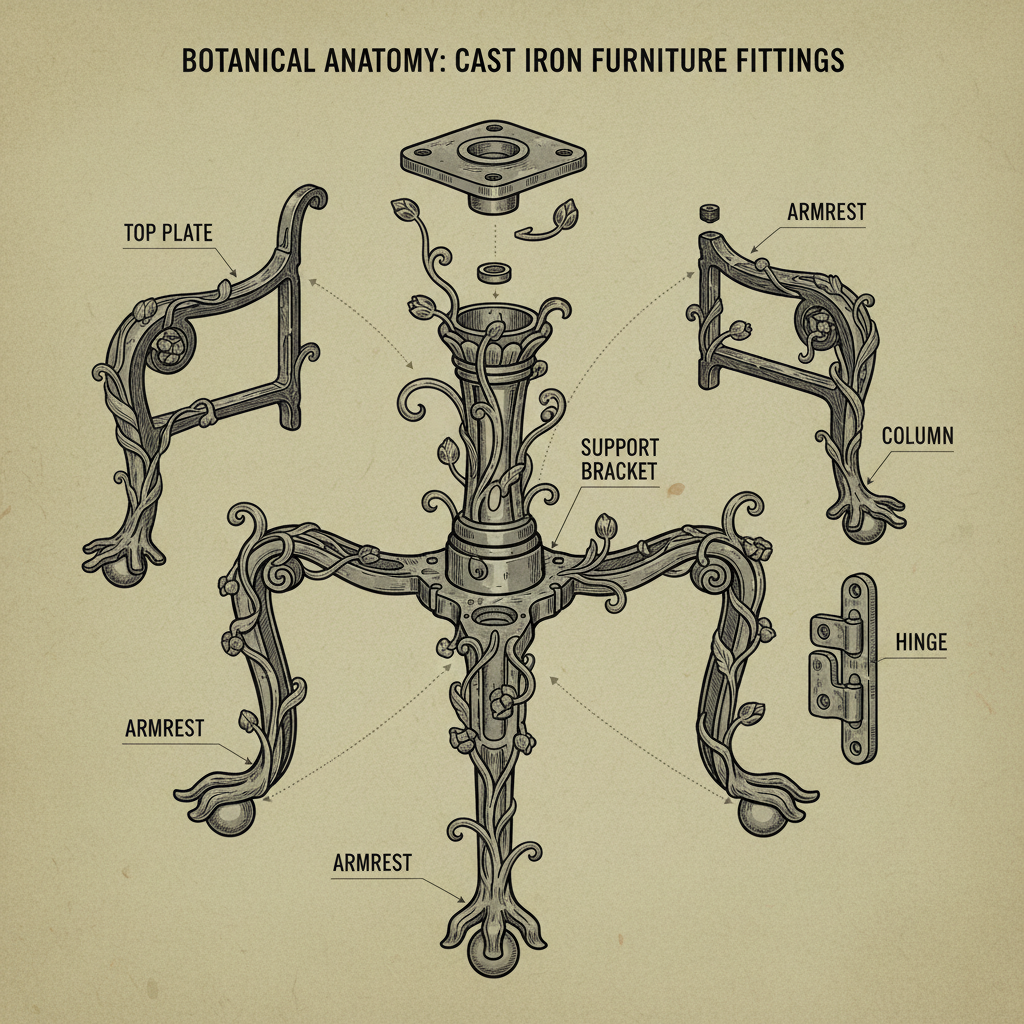
Strangely enough, it's not just about aesthetics. Powder coating adds a layer of corrosion protection, which is huge. You wouldn't believe how much moisture gets into things, even indoors. We’ve seen fittings start to rust just from humidity. The guys are pushing for more eco-friendly powder coating options, too – lower VOCs, more sustainable materials. That's been a bit of a challenge, finding something that's both durable and environmentally sound. But there’s progress being made.
And the color options… wow. Used to be just black or silver. Now they want everything – teal, mustard yellow, even rose gold! It's a pain to manage the inventory, but hey, if the customer wants it, we try to deliver.
Lead times really depend on the complexity of the design and our current workload. For fairly standard customizations, like a different powder coat color or minor engraving, you're looking at around 3-4 weeks. But if you're talking about completely custom patterns or changes to the alloy, it could easily stretch to 8 weeks or longer. The best thing to do is get in touch with us early in your project to discuss your needs and get a realistic timeline.
Cast iron can definitely withstand outdoor conditions, but it requires proper protection. Without a good coating, it will rust. We recommend powder coating with a UV-resistant finish for outdoor applications. Even then, you'll still need to perform regular maintenance, like cleaning and reapplying a protective sealant every year or two, depending on the climate. Salt spray is particularly damaging, so fittings near the ocean need extra care.
The weight capacity of cast iron legs depends on their size, shape, and the overall design of the furniture. But as a general rule, we recommend a maximum weight of around 200-300 pounds per leg. We always perform stress testing on our designs to ensure they meet safety standards. It’s important to factor in dynamic loads as well – people moving around on the furniture, for example. Overloading the legs can lead to cracking or failure.
Yes, we can handle intricate designs, but there are limitations. The more complex the design, the more expensive it will be to create the pattern and the casting process. We typically recommend simplifying designs whenever possible to reduce costs and improve manufacturability. We work with skilled patternmakers who can advise on the best way to achieve your desired aesthetic while maintaining structural integrity.
Besides powder coating, we offer painting, galvanizing, and oil-based coatings. Painting is a more affordable option, but it’s not as durable as powder coating. Galvanizing provides excellent corrosion protection, but it can affect the appearance of the iron. Oil-based coatings are primarily used for decorative purposes and provide minimal protection against rust. The best option depends on your specific needs and budget.
We do! We have a team of experienced engineers and designers who can help you develop your furniture concepts. We can provide advice on material selection, structural design, and manufacturability. We can also create 3D models and prototypes to help you visualize your ideas. Our goal is to help you create furniture that is both beautiful and functional.
Ultimately, whether this thing works or not, the worker will know the moment he tightens the screw. Seriously though, cast iron furniture fittings aren’t glamorous, but they’re fundamental. They provide the stability, durability, and aesthetic appeal that designers and customers demand. From the initial material selection to the final finishing touches, every step in the process matters.
Looking ahead, I think we’ll see a continued emphasis on sustainability, with more demand for recycled materials and eco-friendly coatings. Automation will play a bigger role in the manufacturing process, helping to reduce costs and improve efficiency. And customization will continue to be a key differentiator. If we can adapt to these changes and maintain our commitment to quality, we’ll be in good shape for years to come. Visit our website today at wholesale cast iron furniture fittings!
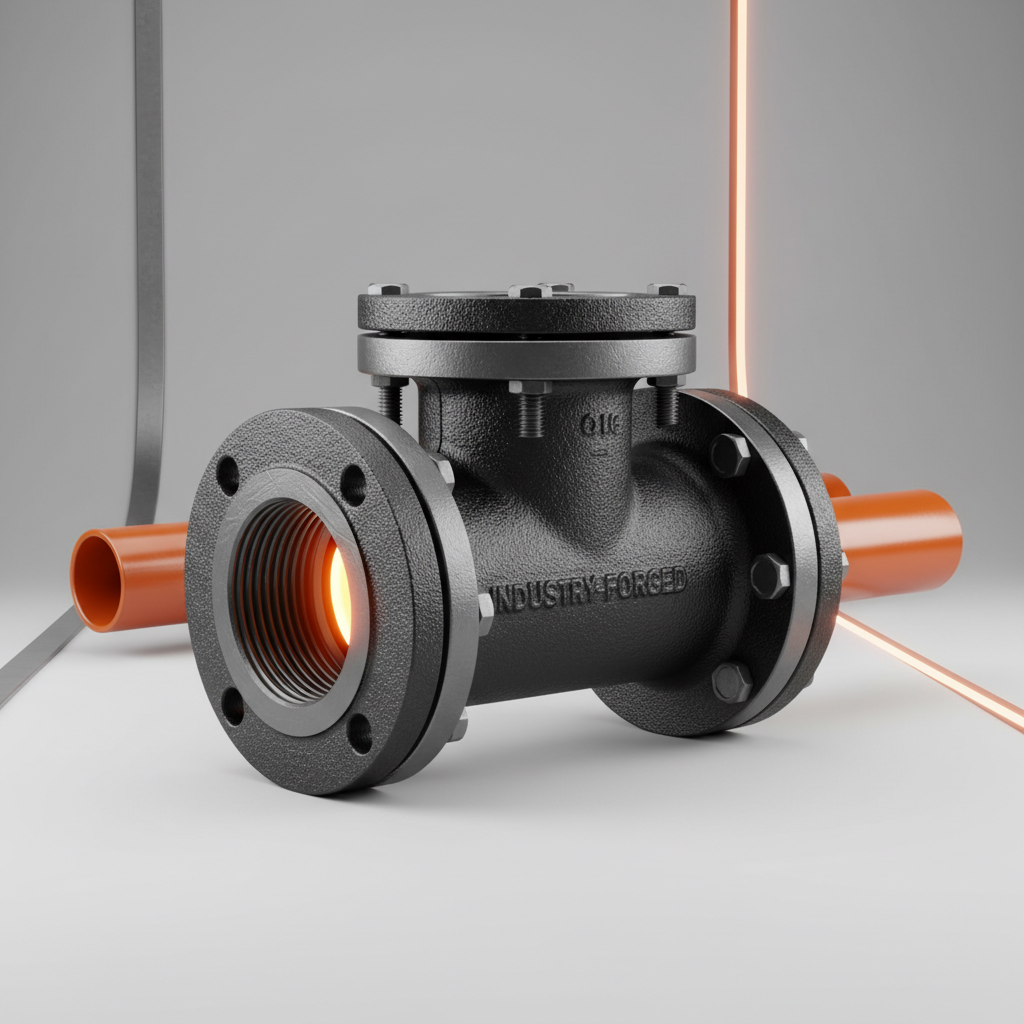
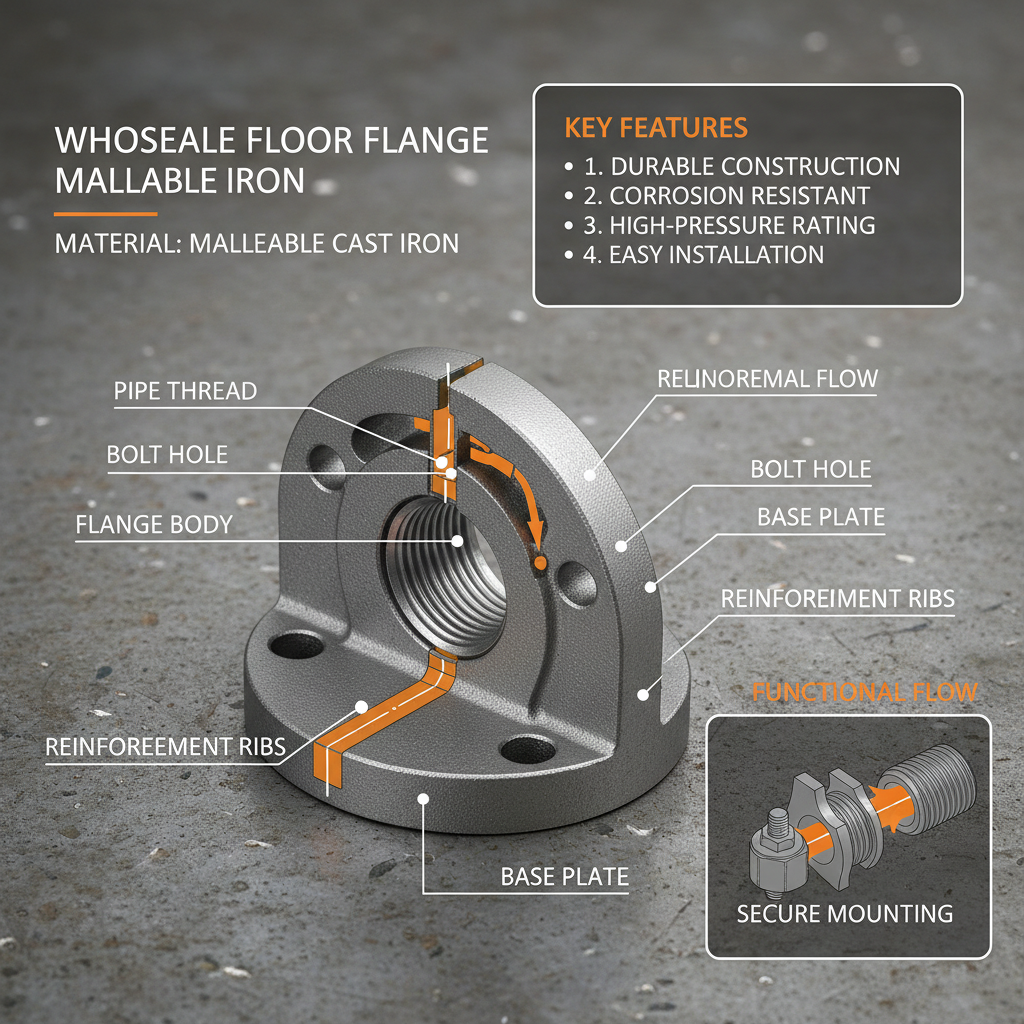

 Afrikaans
 Albanian
 Amharic
 Arabic
 Armenian
 Azerbaijani
 Basque
 Belarusian
 Bengali
 Bosnian
 Bulgarian
 Catalan
 Cebuano
 Corsican
 Croatian
 Czech
Czech
 Danish
 Dutch
Dutch
 Esperanto
 Estonian
 Finnish
 French
 Frisian
 Galician
 Georgian
 German
 Greek
Greek
 Gujarati
 Haitian Creole
 Hausa
Hausa
 Hawaiian
 Hebrew
 Hindi
Hindi
 Miao
Miao
 Hungarian
 Icelandic
 Igbo
Igbo
 Indonesian
 Irish
Irish
 Italian
 Japanese
 Javanese
 Kannada
 Kazakh
 Khmer
Khmer
 Rwandese
 Korean
 Kurdish
 Kyrgyz
 Lao
Lao
 Latin
Latin
 Latvian
 Lithuanian
 Luxembourgish
 Macedonian
 Malgashi
 Malay
Malay
 Malayalam
 Maltese
 Maori
Maori
 Marathi
 Mongolian
 Myanmar
 Nepali
 Norwegian
 Norwegian
 Occitan
 Pashto
 Persian
 Polish
 Portuguese
 Punjabi
 Romanian
 Russian
 Samoan
 Scottish Gaelic
 Serbian
 Sesotho
 Shona
Shona
 Sindhi
 Sinhala
 Slovak
 Slovenian
 Somali
 Spanish
 Sundanese
 Swahili
 Swedish
 Tagalog
 Tajik
Tajik
 Tamil
Tamil
 Tatar
Tatar
 Telugu
 Thai
Thai
 Turkish
 Turkmen
 Ukrainian
 Urdu
Urdu
 Uighur
 Uzbek
Uzbek
 Vietnamese
 Welsh
Welsh
 Bantu
Bantu
 Yiddish
 Yoruba
 Zulu
Zulu
 English